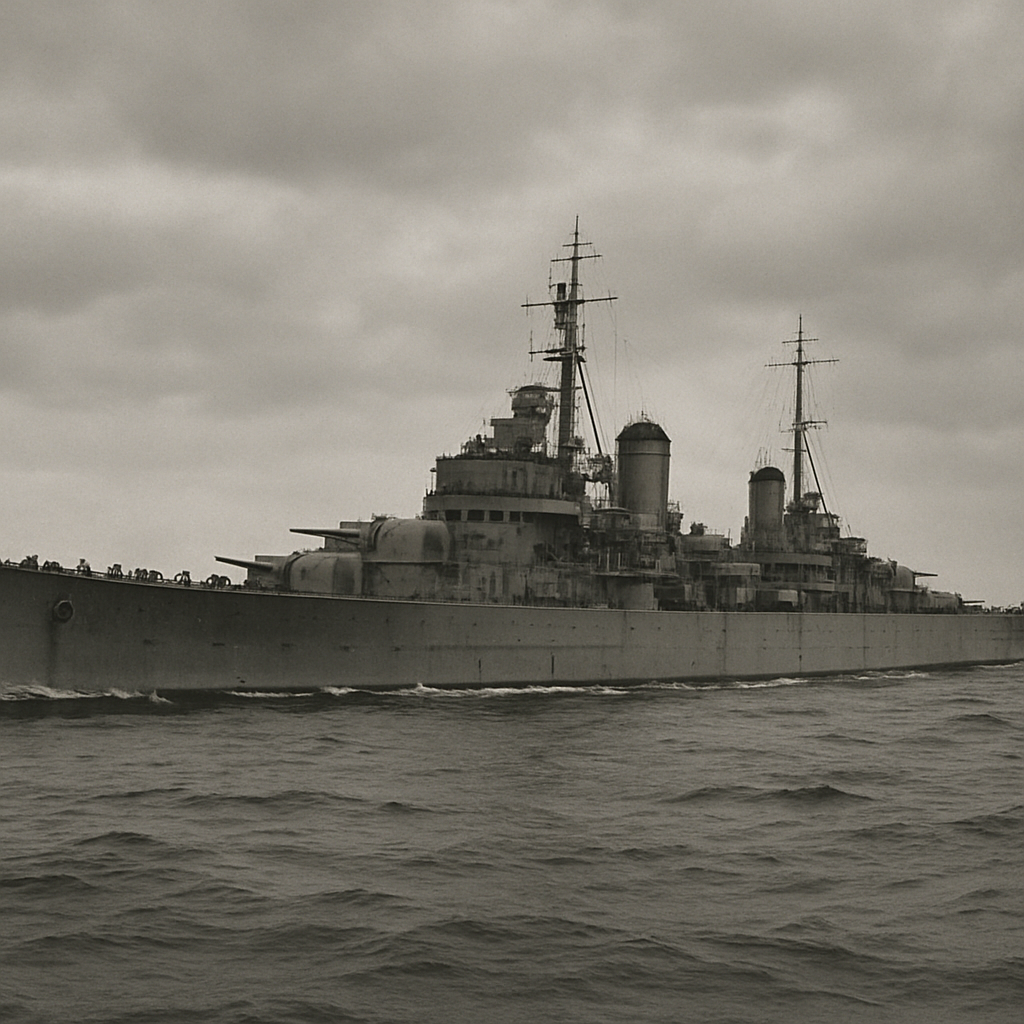
Cruisers
The fleet's multi-role workhorses — fast enough to scout, strong enough to fight, and ranged enough to patrol distant sea lanes independently.
Role & History
Cruisers occupied the middle ground between the heavily armored battleship and the small, fast destroyer. They were divided broadly into heavy cruisers, mounting 8-inch guns, and light cruisers, with 6-inch guns and higher rates of fire.
Their versatility made them indispensable: cruisers scouted ahead of the battle fleet, escorted carriers, screened convoys, raided commerce, and provided anti-aircraft defense. With long endurance and good speed, they could operate independently across vast ocean distances.
Cruisers carried lighter armor than battleships, trading protection for speed and range. This made them effective strike platforms but vulnerable in a stand-up fight against capital ships.
Strengths
- Strong balance of speed, range and firepower
- Independent long-range operations
- Effective convoy escort and AA defense
- Versatile across many mission types
Limitations
- Light armor compared to battleships
- Outgunned by capital ships
- Costlier and slower than destroyers
- Limited torpedo defense on some designs
Cruisers in Service
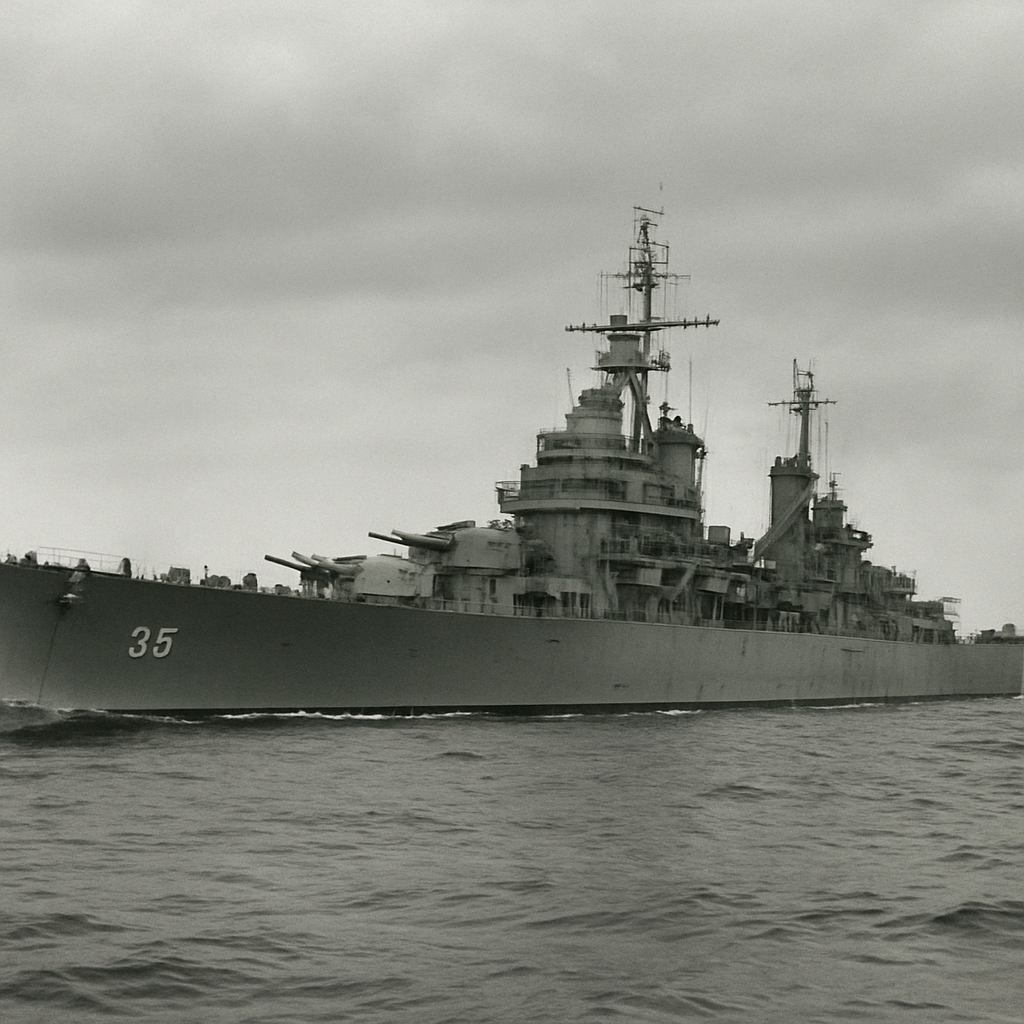 USA
USAUSS Indianapolis
United States · Commissioned 1932
A Portland-class heavy cruiser whose loss in the final weeks of the war became one of the US Navy's most harrowing tragedies.
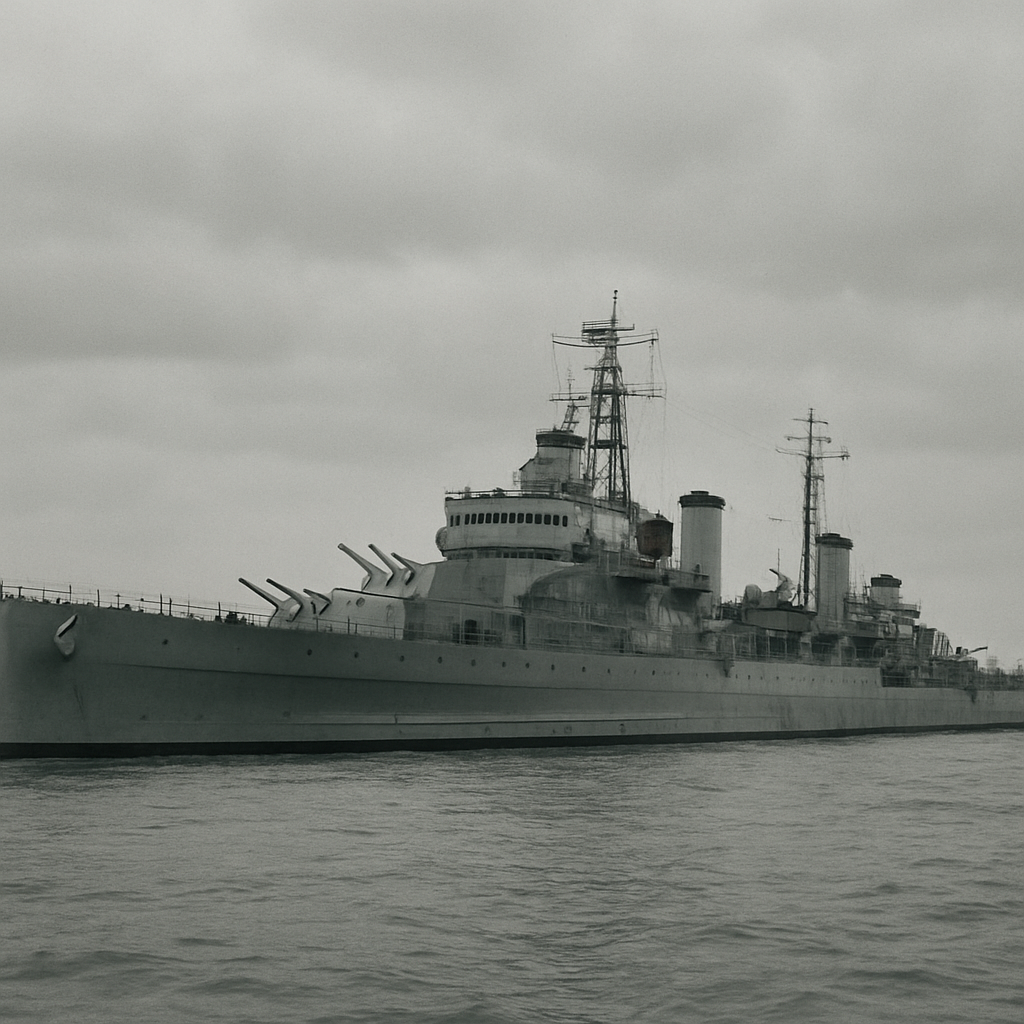 UK
UKHMS Belfast
United Kingdom · Commissioned 1939
A Town-class light cruiser that survived a near-fatal mine and went on to a long career, now preserved in London.
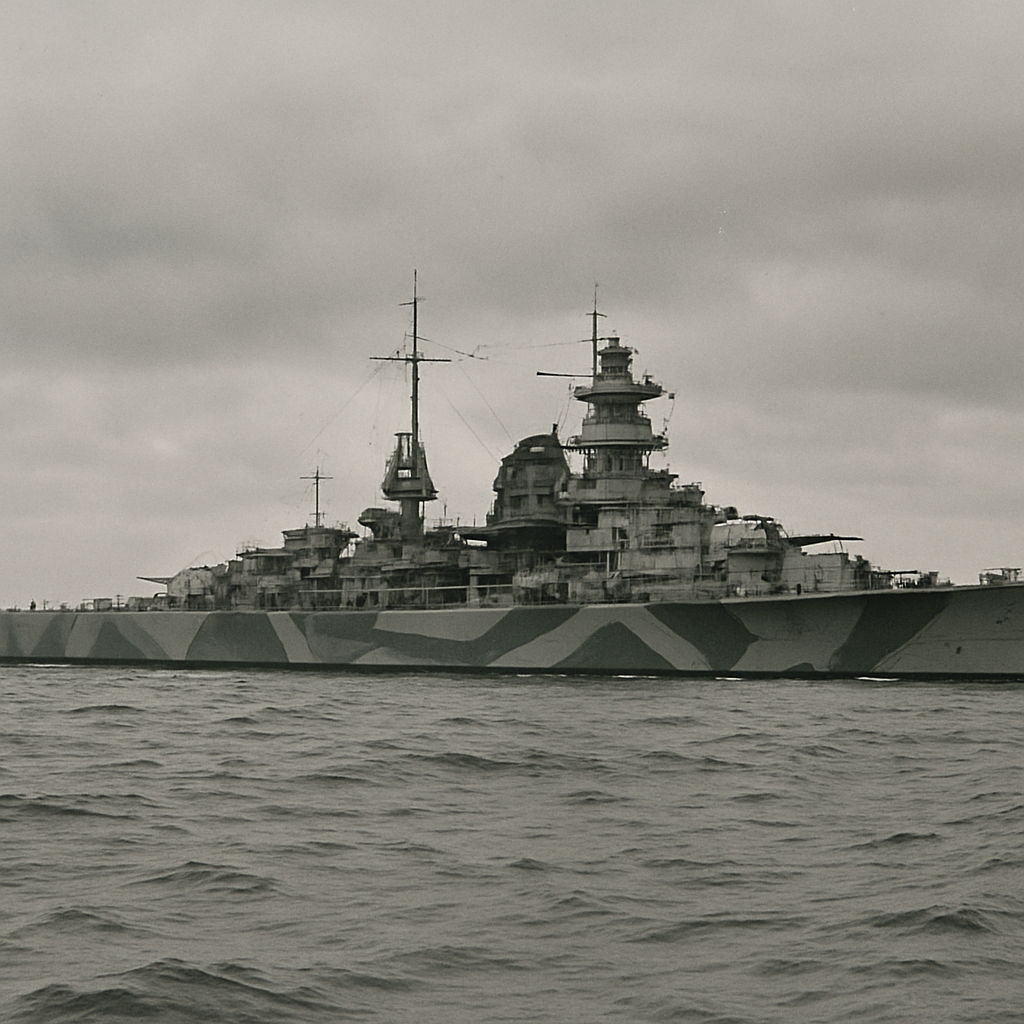 GER
GERPrinz Eugen
Germany · Commissioned 1940
An Admiral Hipper-class heavy cruiser and one of the luckiest German warships, surviving the entire war intact.
 JPN
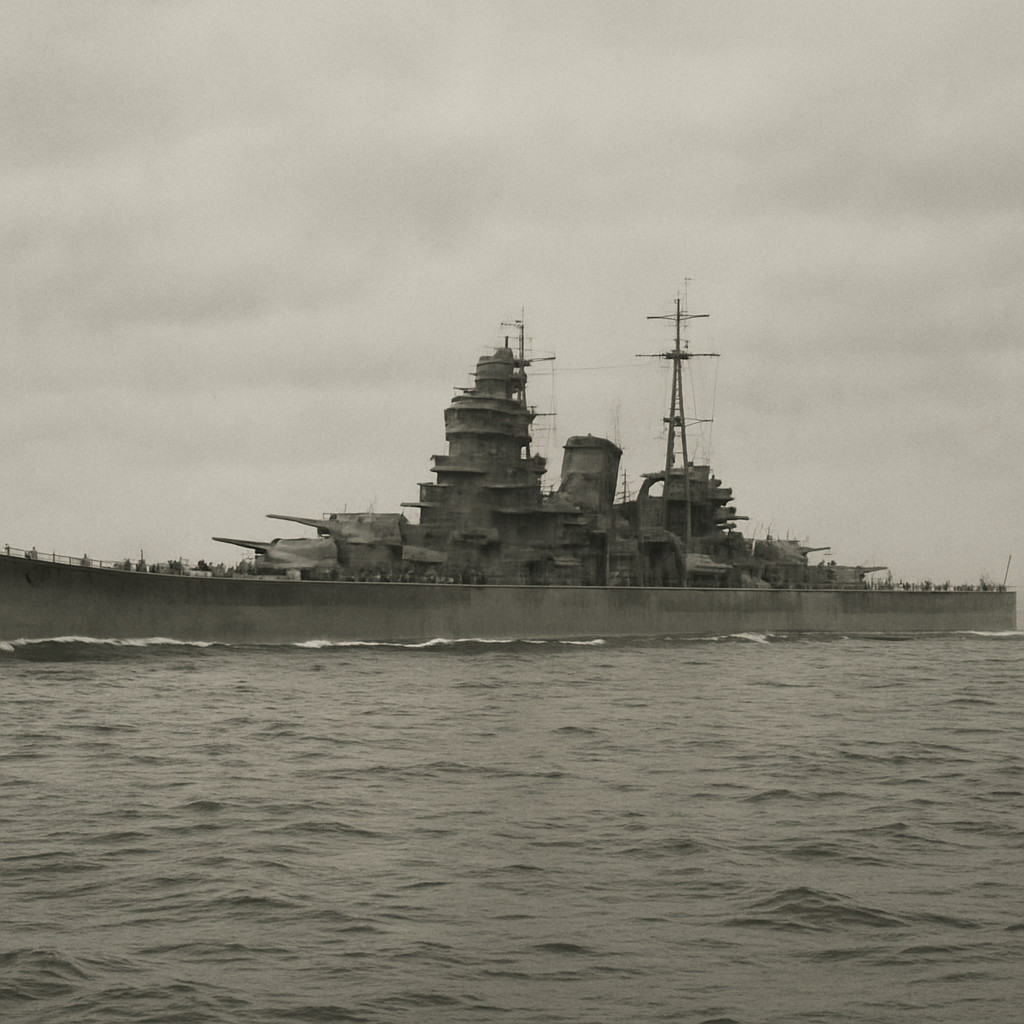
JPNMogami
Japan · Commissioned 1935
A heavily armed Japanese cruiser later converted into a unique aircraft-carrying cruiser hybrid.