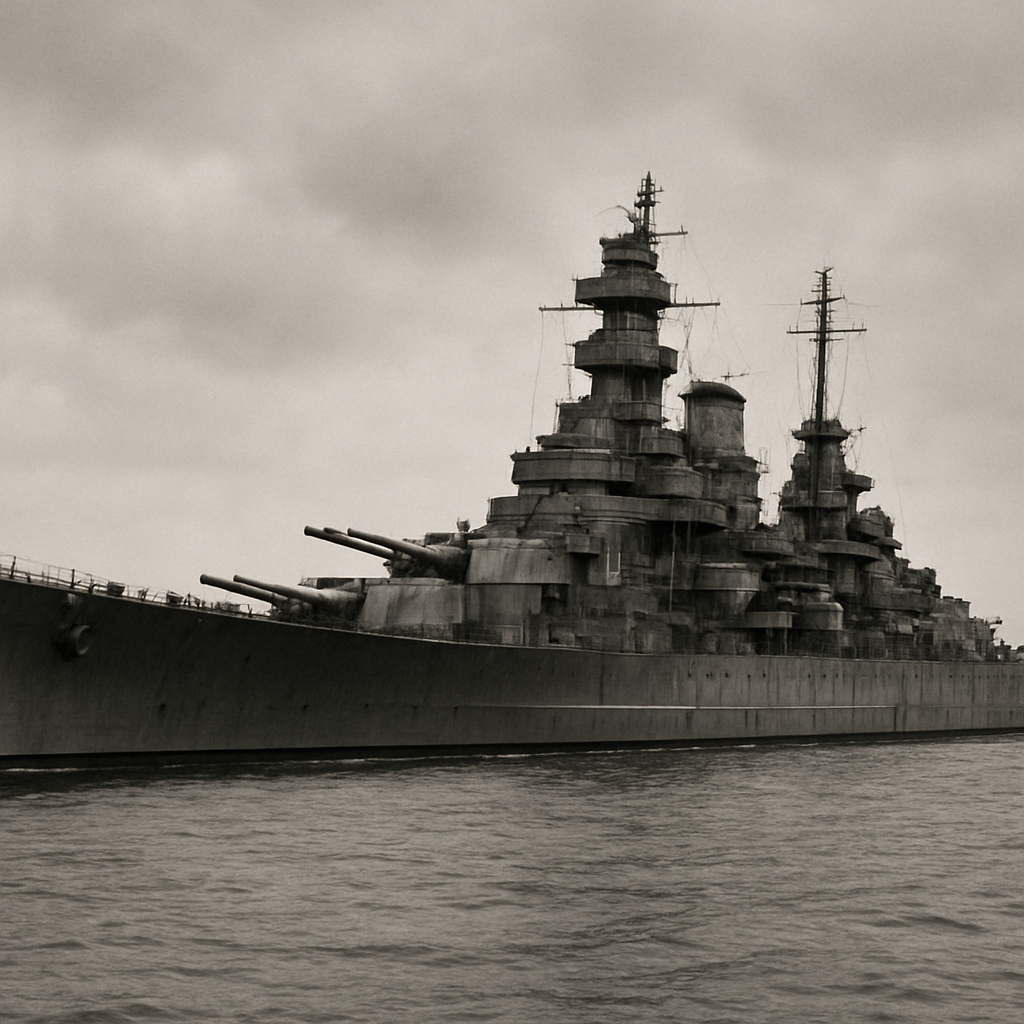
Battleships
The capital ships of the fleet — built around the largest naval guns afloat and protected by thick belt armor designed to trade blows with their peers.
Role & History
Battleships were the most powerful surface combatants of World War II, conceived to dominate the line of battle with massive main batteries of 14- to 18-inch guns. Their role was to deliver decisive long-range gunfire against enemy capital ships and to provide shore bombardment in support of amphibious landings.
Protected by belt armor often exceeding a foot in thickness, battleships were designed on the "balanced" principle: a ship should carry armor heavy enough to resist the same caliber of gun it mounted. This made them enormously expensive and slow to build, and only the wealthiest naval powers fielded them in numbers.
By 1945 the aircraft carrier had eclipsed the battleship as the fleet's decisive weapon, but battleships remained valuable for anti-aircraft escort and shore bombardment until the war's end.
Strengths
- Devastating long-range firepower
- Heavy armor protection against shellfire
- Excellent shore-bombardment platform
- Commanding presence and morale value
Limitations
- Extremely expensive to build and operate
- Vulnerable to air and submarine attack
- Slow to construct and crew
- Eclipsed by carrier aviation by 1942
Battleships in Service
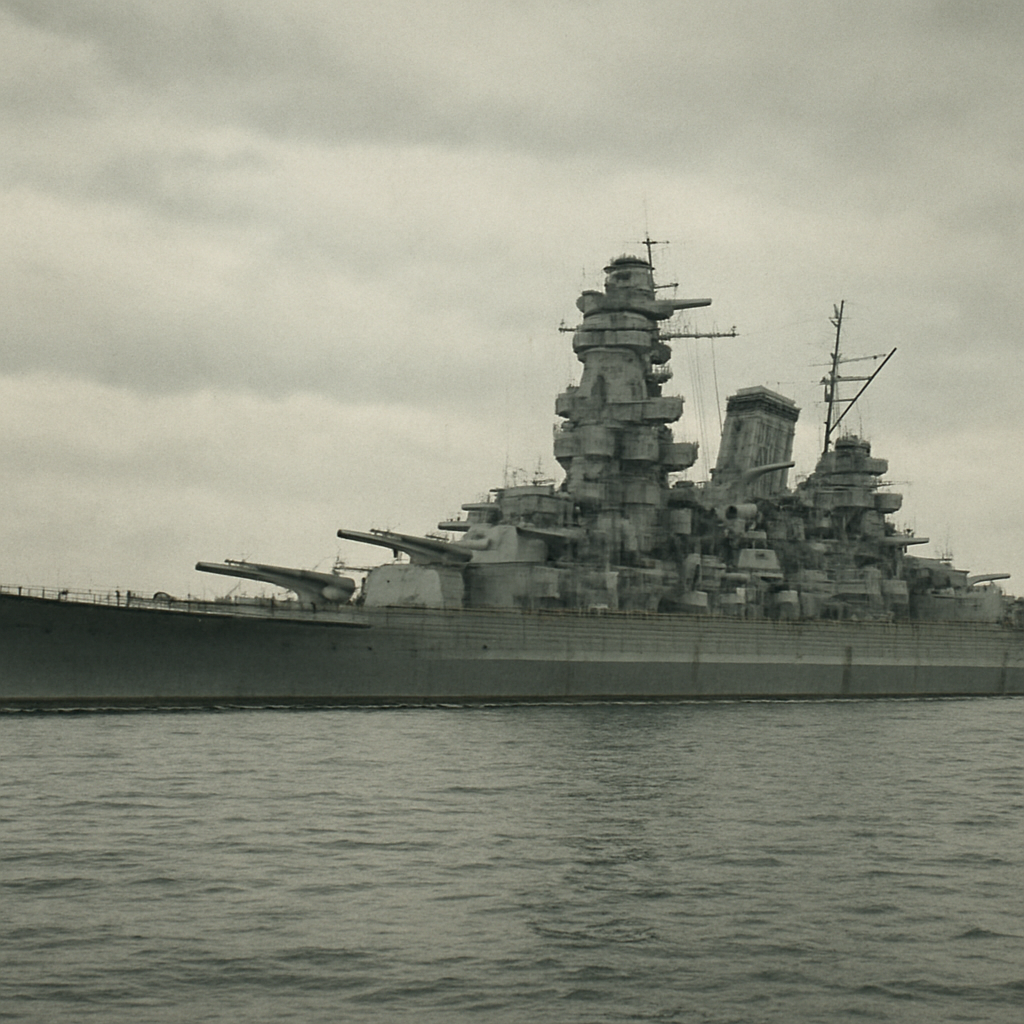 JPN
JPNYamato
Japan · Commissioned 1941
The largest and most heavily armed battleship ever built, mounting nine 18.1-inch guns — the biggest naval guns ever mounted at sea.
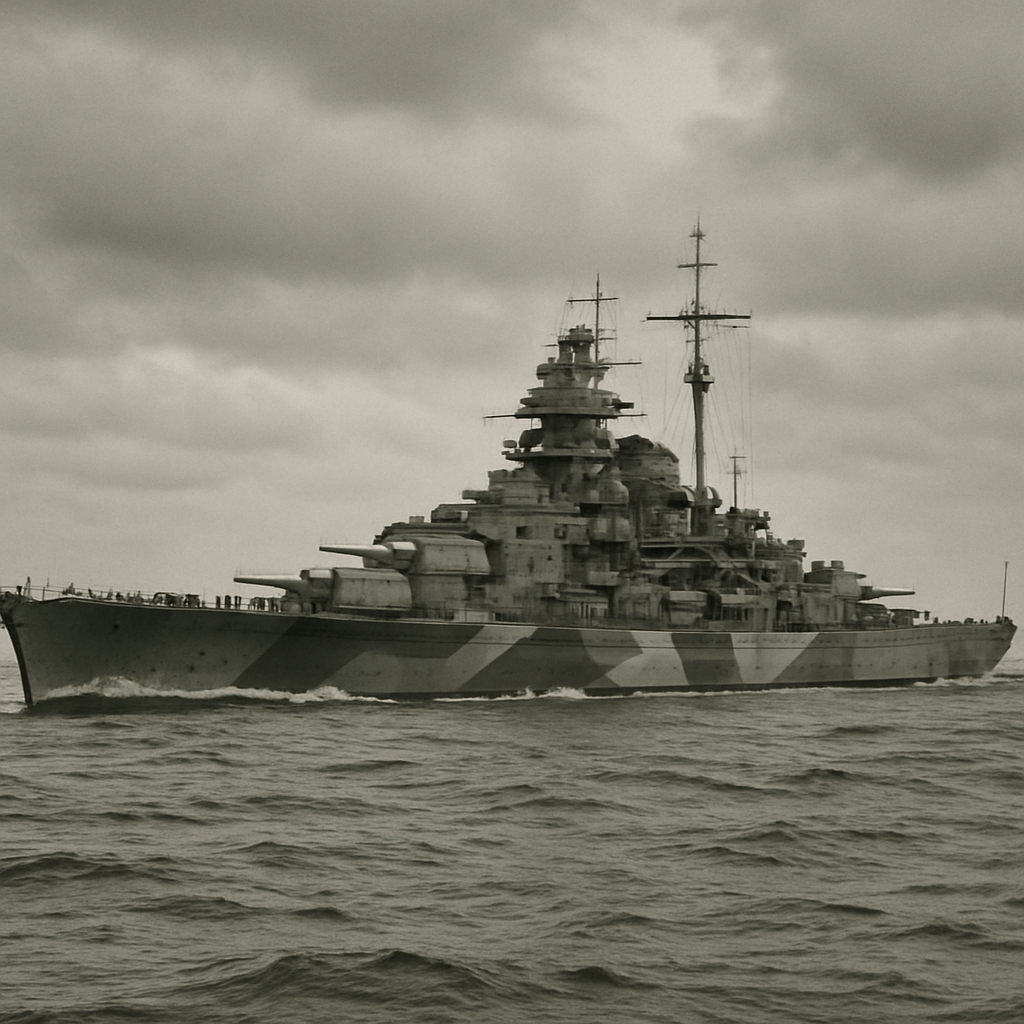 GER
GERBismarck
Germany · Commissioned 1940
Germany's most famous battleship, whose single Atlantic sortie ended in one of the most dramatic chases in naval history.
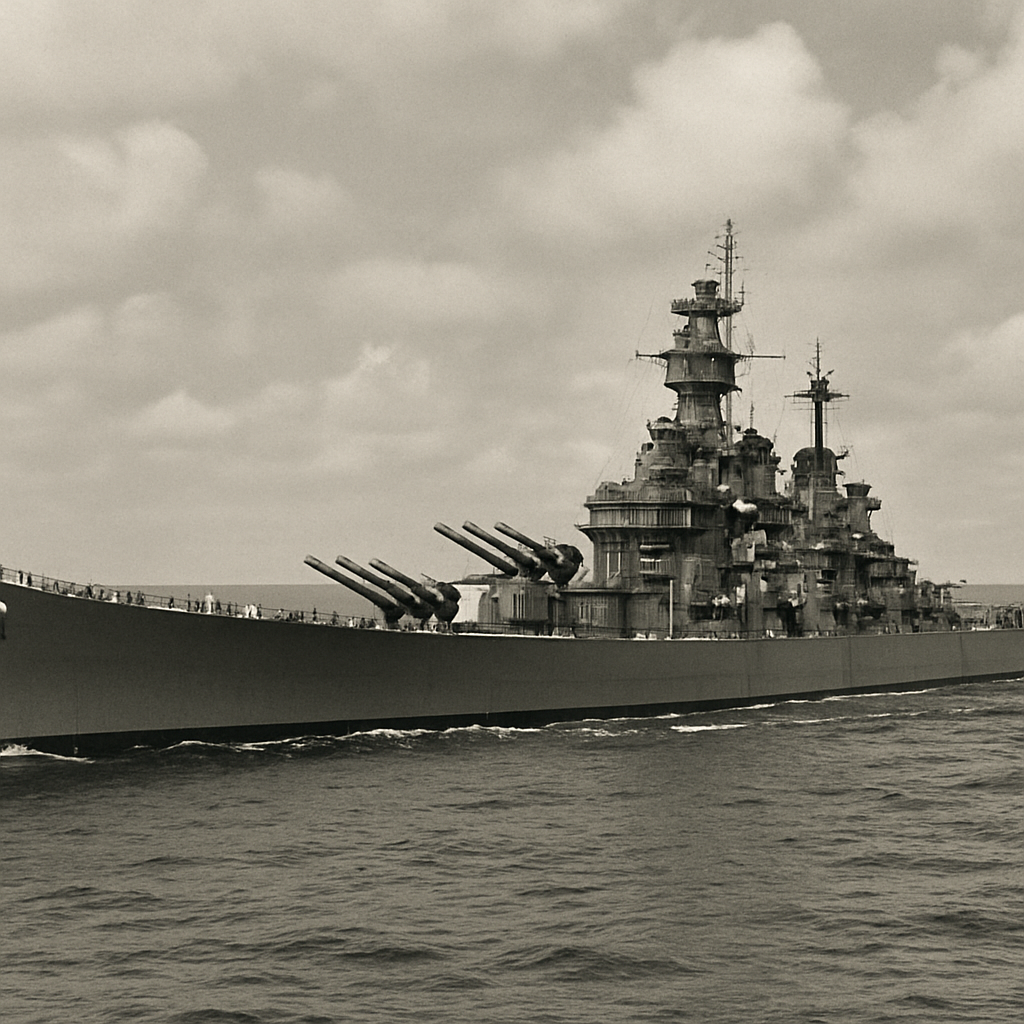 USA
USAUSS Iowa
United States · Commissioned 1943
Lead ship of America's fast battleships, combining heavy 16-inch guns with the speed to keep pace with fast carrier task forces.
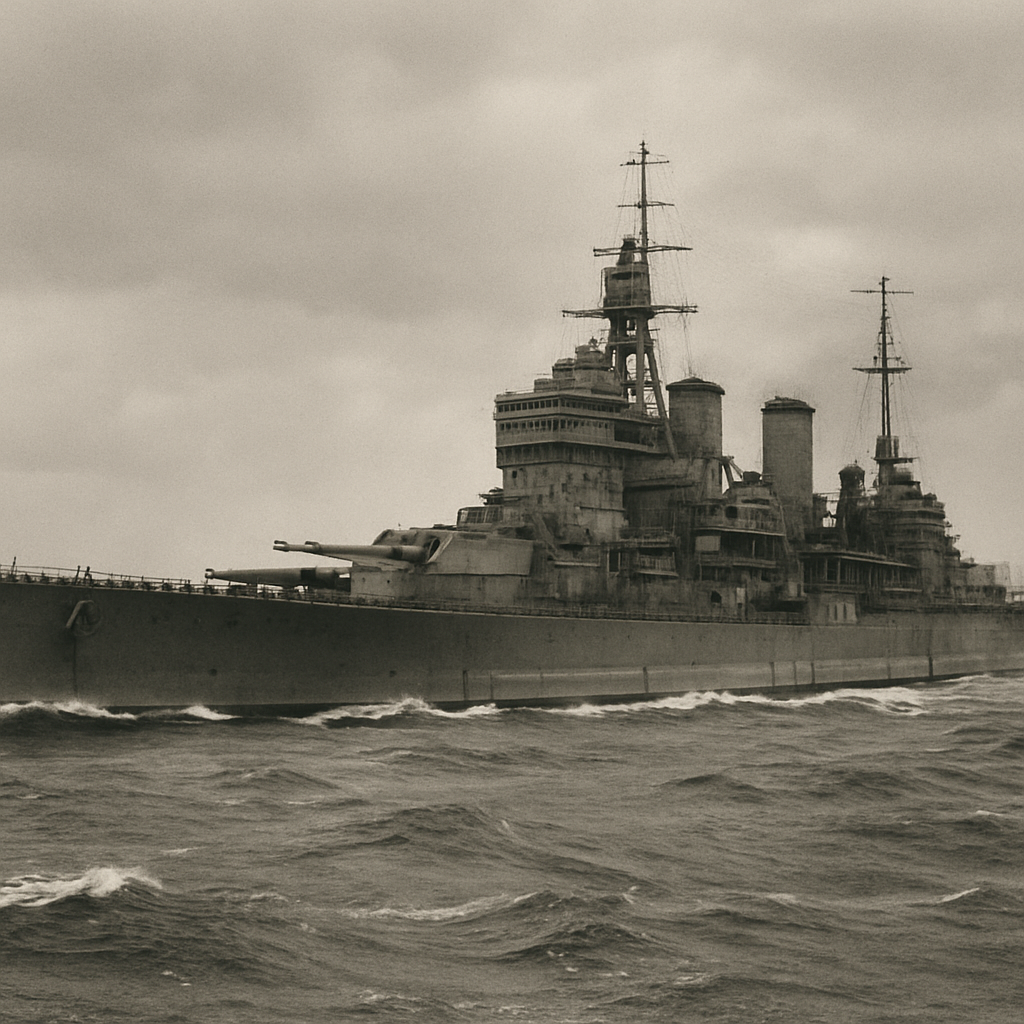 UK
UKHMS King George V
United Kingdom · Commissioned 1940
The Royal Navy's modern fast battleship, notable for her unusual quadruple gun turrets and her role in sinking the Bismarck.