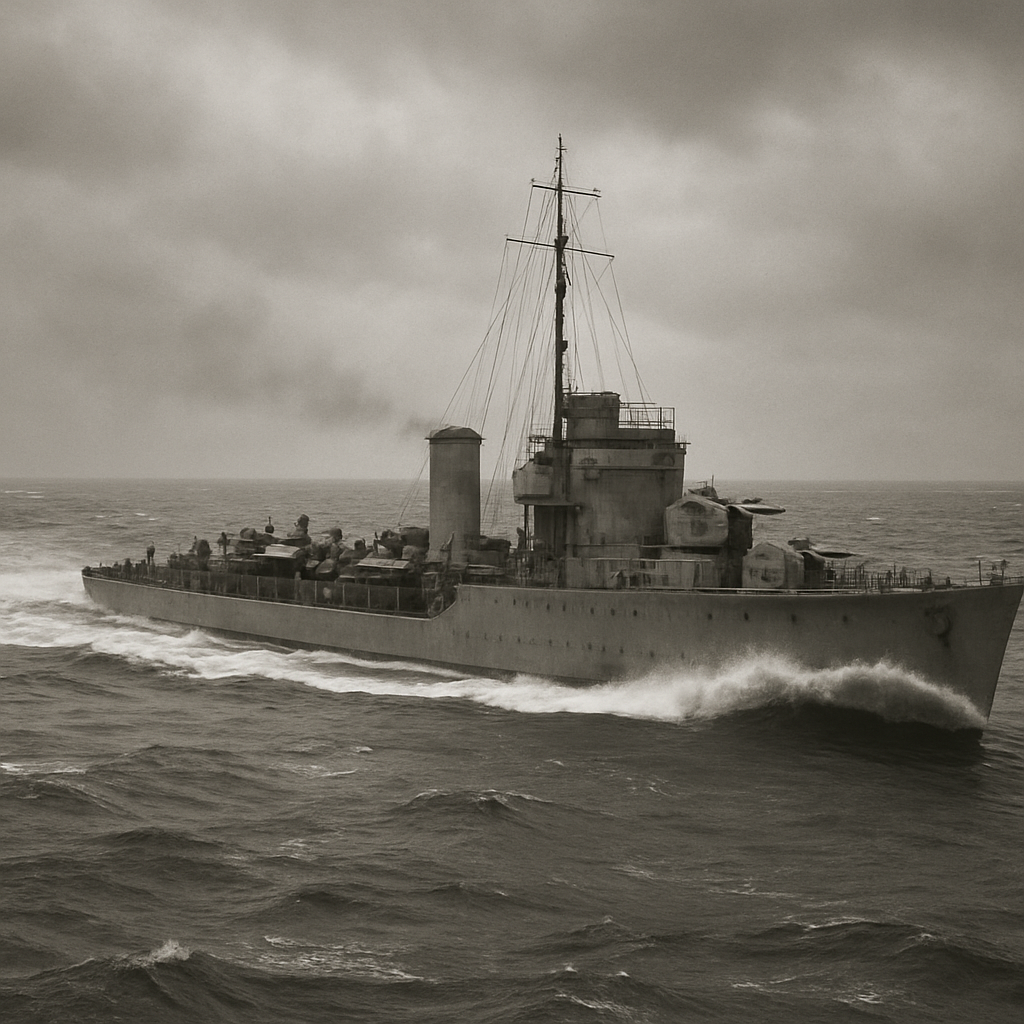
Destroyers
The hardest-working ships of the war — fast, agile escorts that screened the fleet, hunted submarines, and launched torpedo attacks against larger foes.
Role & History
Destroyers were small, fast, and produced in enormous numbers. Originally developed to defend the fleet against torpedo boats, by World War II they had become true maritime multi-tools: escorting capital ships and convoys, screening against submarines and aircraft, and launching their own torpedo attacks.
Lightly built and almost unarmored, destroyers relied on speed and agility for survival. Their depth charges and, later, sophisticated sonar and radar made them the primary anti-submarine weapon of the Allied navies during the Battle of the Atlantic.
Cheap and quick to build, destroyers were expendable in a way capital ships never were — and they were present in virtually every naval action of the war.
Strengths
- High speed and agility
- Excellent anti-submarine capability
- Powerful torpedo armament
- Cheap and fast to mass-produce
Limitations
- Little to no armor protection
- Light main guns versus larger ships
- Limited endurance and seakeeping
- High crew fatigue in rough seas
Destroyers in Service
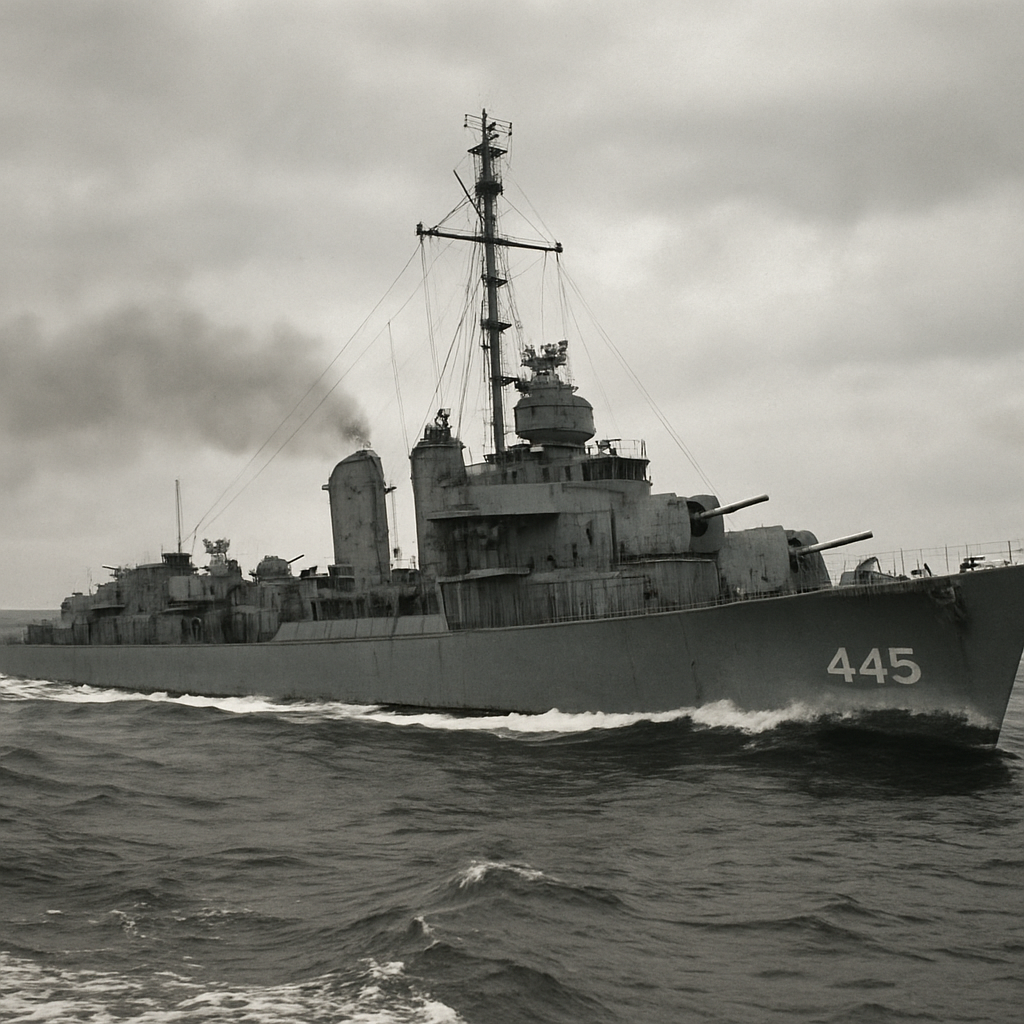 USA
USAUSS Fletcher
United States · Commissioned 1942
Lead ship of the most numerous and successful US destroyer class of the war, with 175 built.
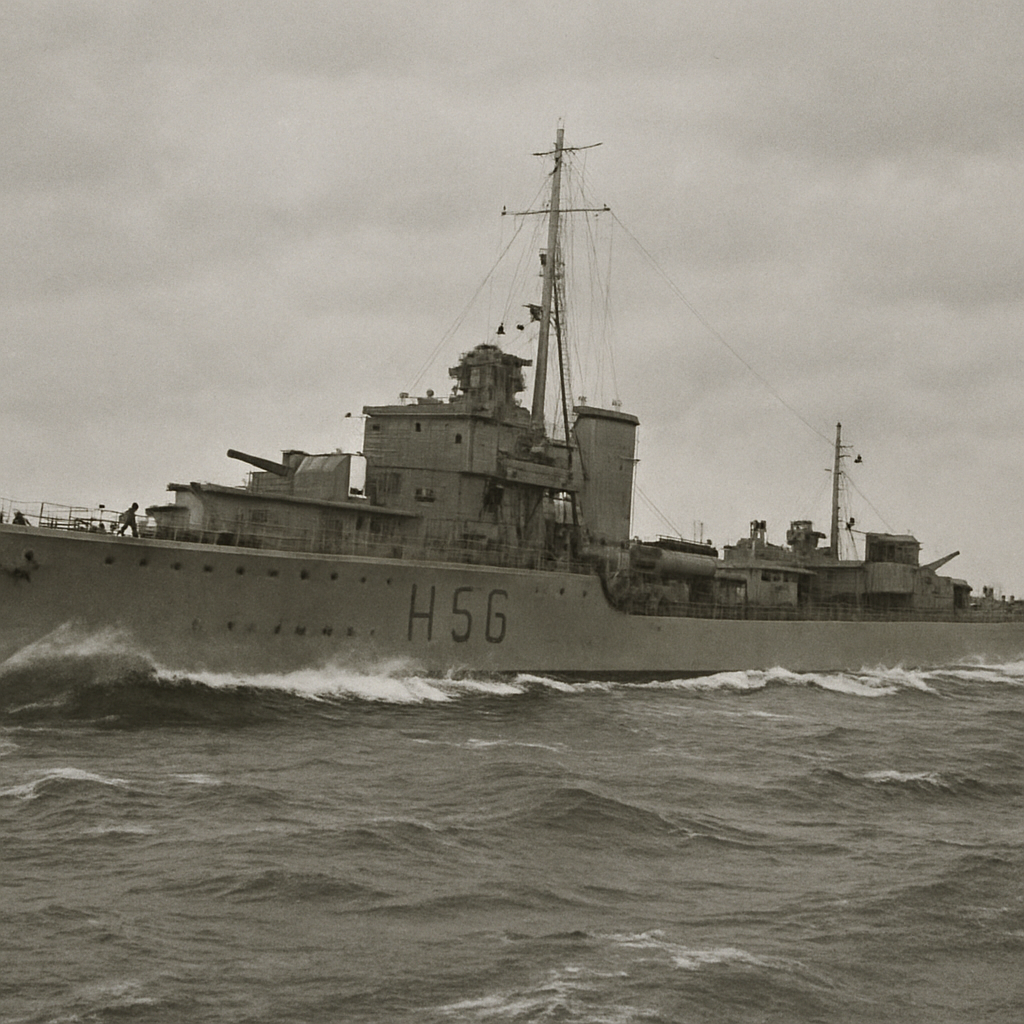 UK
UKHMS Kelly
United Kingdom · Commissioned 1939
A K-class destroyer made famous as the flotilla leader of Lord Louis Mountbatten.
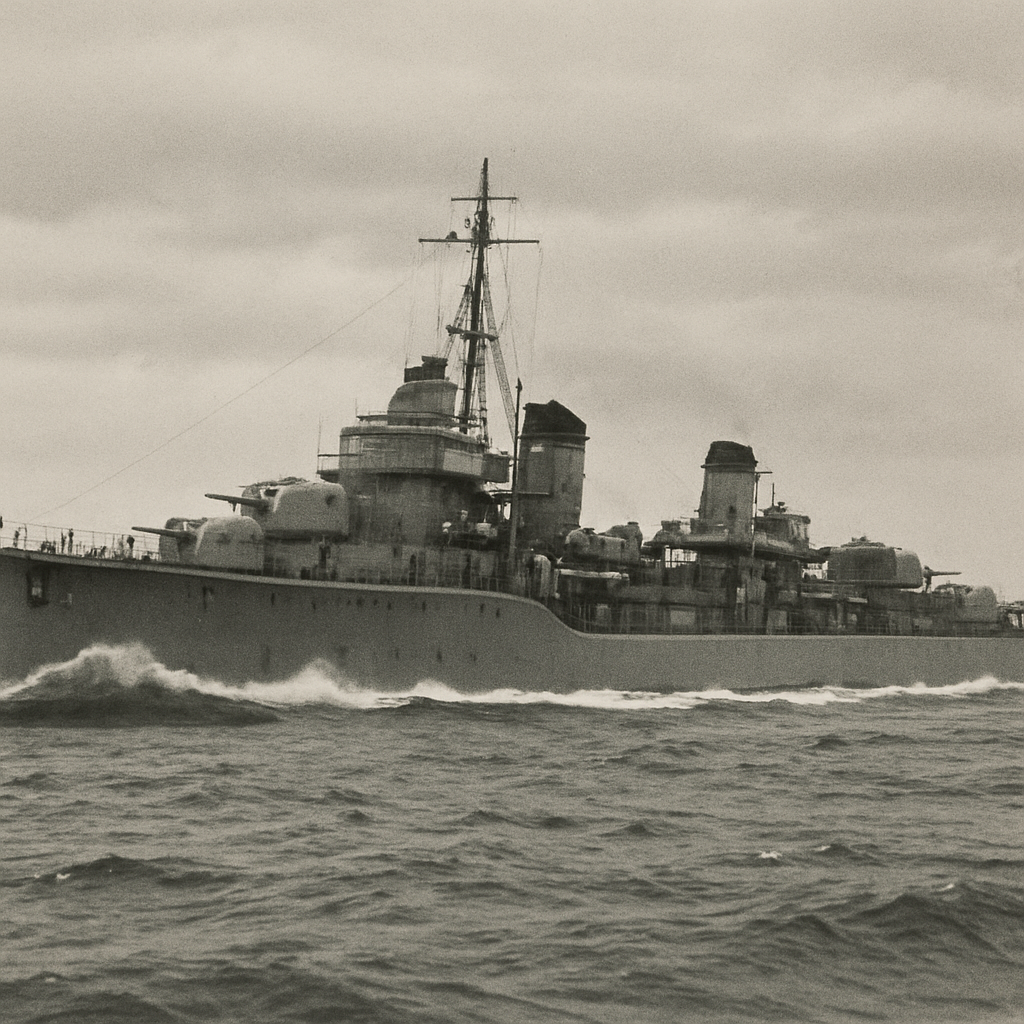 JPN
JPNFubuki
Japan · Commissioned 1928
The lead ship of a revolutionary "special type" design that set a new world standard for destroyers.
 GER
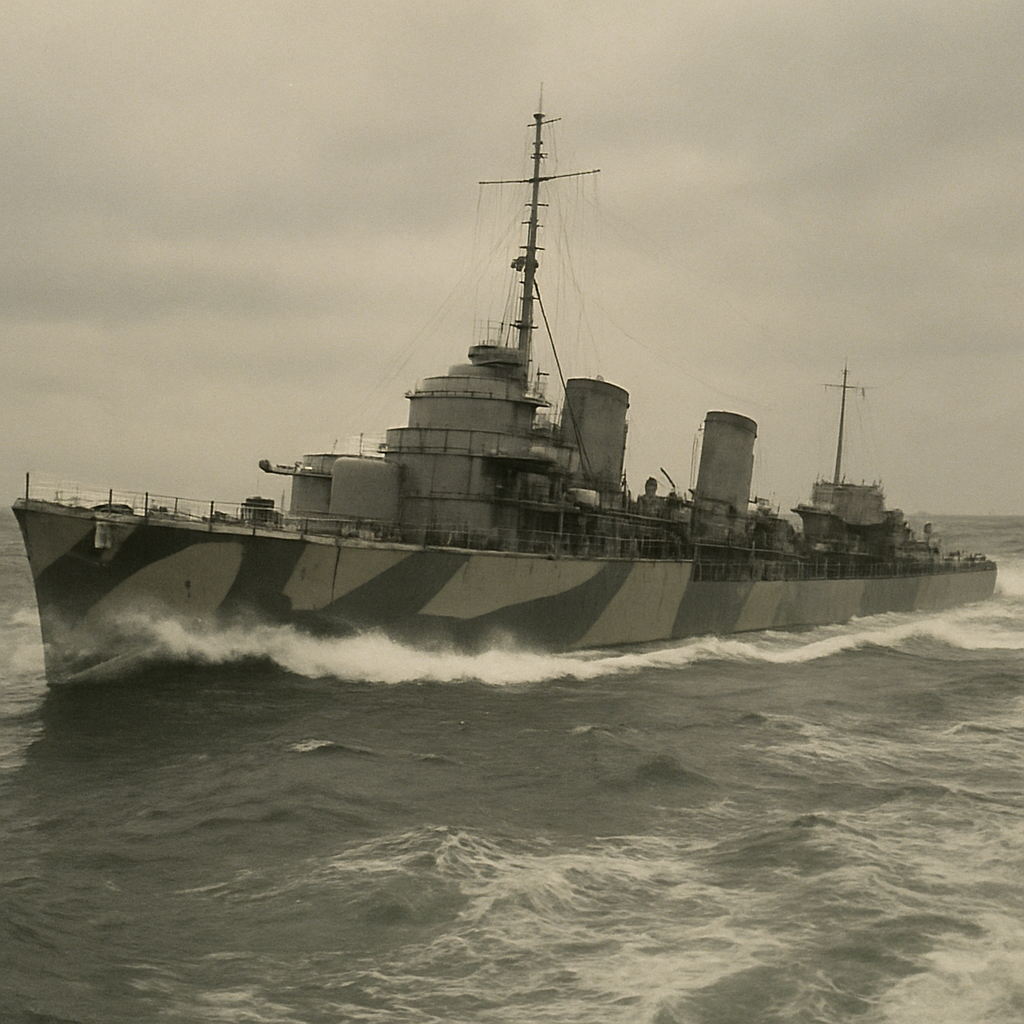
GERZ-class (Type 1936)
Germany · Commissioned 1938
Large, heavily armed German fleet destroyers that traded reliability for an oversized gun battery.